
QUALITY CONTROL
Furniture Quality Control
Clear specifications. Practical checks. Order-specific inspection requirements.
Quality starts with a clear product specification. Materials, dimensions, finish, assembly and packaging requirements provide the basis for an order-specific inspection plan.
- Materials
- Dimensions
- Finish
- Assembly
- Packaging

01 / THE ORDER BENCHMARK
Define What the Order Must Meet
Agree the applicable requirements in the order specification or inspection plan. A clear reference makes findings easier to assess and resolve.
- Product specification and drawings
- Identify the model, construction and drawings that define the order.
- Dimensions and tolerances
- List the measurements to check and agree the acceptable variation.
- Materials and components
- Specify board, wood, metal sections, hardware and other applicable components.
- Finish, colour and references
- Identify the finish and colour reference; use an approved sample where one exists.
- Assembly and hardware
- Define fittings, assembly instructions and the functions that need checking.
- Packaging and carton markings
- Agree protection, accessory packs, labels, carton marks and packing quantities.
02 / WHEN TO CHECK
Planning Quality Checks for Your Order
Select the stages that fit the product and the order. Confirm the scope, timing and evidence required at each stage.
Incoming Materials
Match materials, components, hardware and surface materials to the specification. Include wood moisture checks where relevant and agreed.
In-Process Checks
Check applicable machining dimensions, hole positions, joints, weld appearance, sanding, edge-banding and surface treatment.
Assembly and Function
Plan trial assembly, hardware fit, drawer and door operation, folding or adjustable mechanisms, and stability checks where applicable.
Pre-Shipment Inspection
Review finished appearance, dimensions, function, quantities, accessories and labels using the agreed inspection and sampling scope.
Packing and Loading Checks
Check protection, accessory packs, instructions, carton marks and packing quantities. Agree what to record during container loading.
03 / THE INSPECTION CHECKLIST
Furniture Inspection Checkpoints
Use these construction-specific checks to build a furniture inspection checklist for your order. Apply the items relevant to the product and agree how they will be assessed.
| Product Type | Key Checkpoints | What the Check Addresses |
|---|---|---|
| Panel furnitureCabinets, storage units, desks and dressers |
| Specification fit, clean visible edges, accurate assembly and usable storage functions. |
| Metal & wood furnitureMetal-frame tables, beds, seating and shelving |
| Component fit, surface condition, sound connections and the agreed assembly or function requirements. |
| Solid wood furnitureWooden tables, storage and bedroom furniture |
| Material identity, joint fit, finish consistency and the product dimensions agreed for the order. |
Set tolerances, loads, cycle counts, moisture criteria and sampling levels for the specific product. Performance checks need an agreed method and acceptance criteria.
04 / PHOTOGRAPHS AND RECORDS
Inspection Records and Product Details
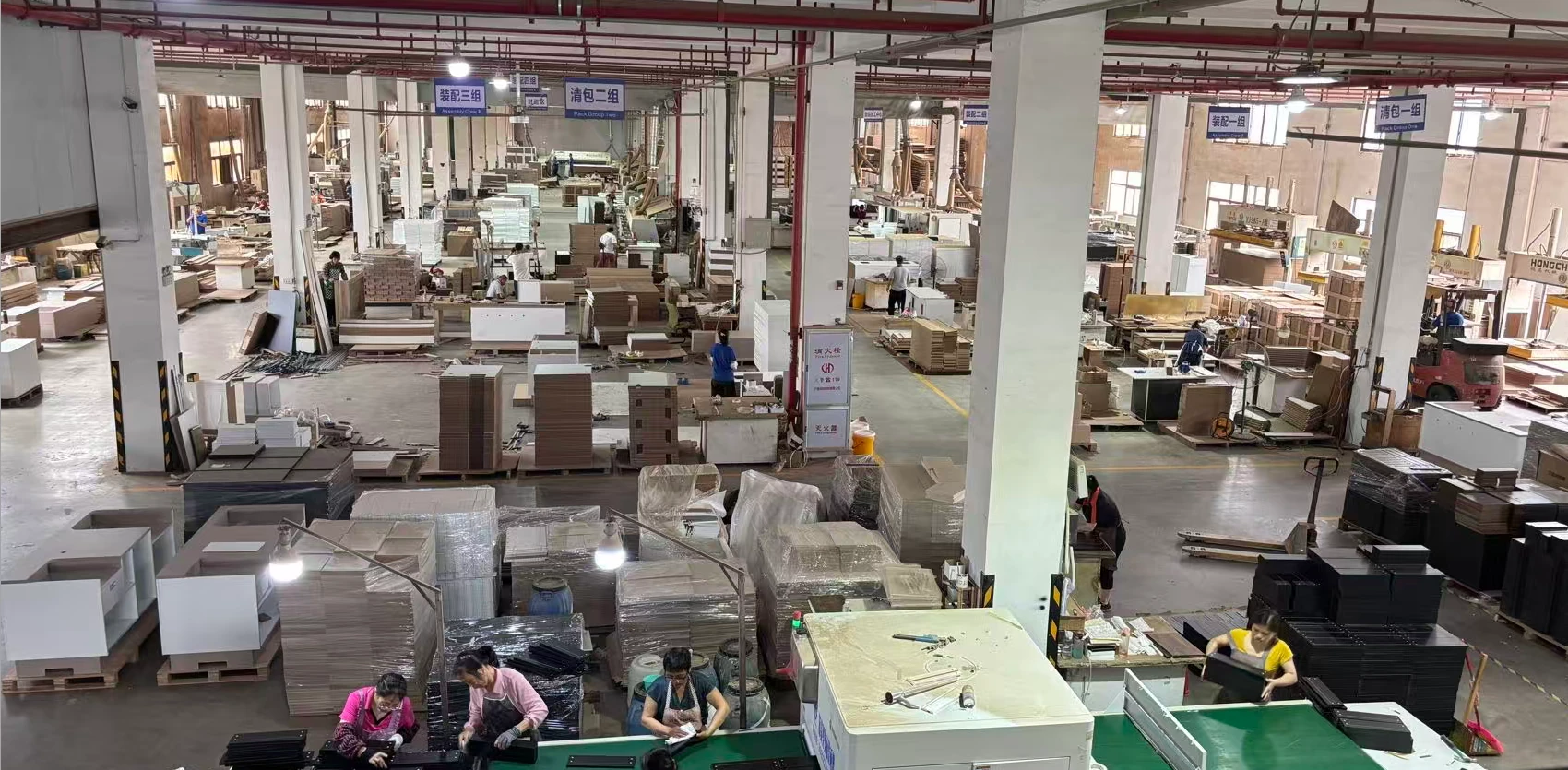
Photographs show the workshop environment and loading activity. For order-specific inspection evidence, identify the product, the check and its result.

Information to Include in an Inspection Record
- Product model and order identification
- Inspection date and agreed scope
- Sampling details, where applicable
- Dimension readings and check photographs
- Findings and any correction records
Discuss the record format, availability and sharing scope as part of the order. Request photos that show the measurement, component or packing detail you need to review.
Explore the factory photographs →DOCUMENTATION FOR YOUR SOURCING BRIEF
Certificates and Audit Documentation
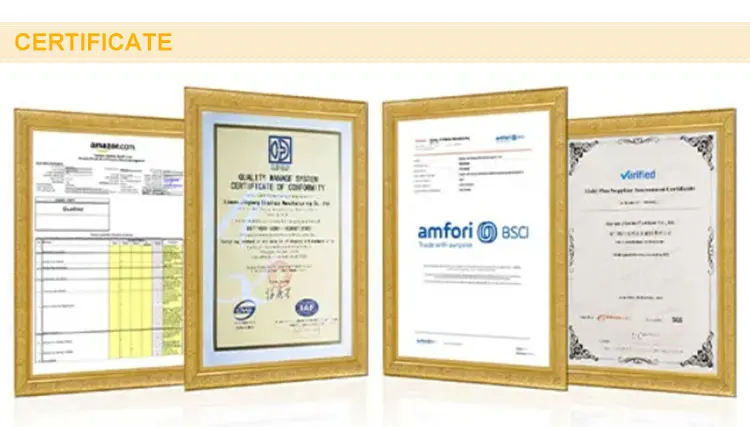
EUDR, FSC and amfori BSCI Requirements
Discuss the documentation relevant to your product and sourcing brief, including the holder, site, validity and applicable scope.
- EUDR
- Due diligence requirements for relevant products and supply chains. Certification evidence can support a review; it does not replace due diligence.
- FSC
- Check the certificate holder, current status and product scope for any FSC-certified order.
- amfori BSCI
- Review the social audit scope, site, date and results required by the buyer.
Reference information: EU due diligence · FSC claims check · amfori audit ratings
05 / PRODUCT AND MARKET REQUIREMENTS
Testing and Third-Party Inspection
Testing requirements depend on the furniture type, intended use, destination market and buyer specification. Define the method, acceptance criteria and evidence required for the product.
- Strength and durabilityRelevant loads, use cycles and connection performance.
- Stability and safetyProduct-specific stability, moving parts and applicable safety checks.
- Materials and surfacesRequirements for the selected materials, coating or finish.
- Packaging performanceProtection and export furniture packaging inspection for the shipping plan.
Discuss Third-Party Inspection Requirements
Share the proposed agency, checklist, sampling method, timing and reporting requirements. Confirm the inspection scope, access arrangements and schedule before booking.
For pre-shipment furniture inspection, identify which finished goods, accessories and packed cartons should be available for review.
06 / RESOLVING A CONCERN
Discussing a Quality Concern
A clear description helps the review focus on the affected product and the agreed specification.
Identify the order
Provide the order number, product model and affected quantity.
Document the issue
Share photographs or video and describe where and how the issue appears.
Compare the evidence
Refer to the specification and any relevant inspection or packing records.
Agree the next steps
Discuss the cause, proposed handling and any measures to prevent recurrence.
07 / COMMON QUESTIONS
Quality Questions, Answered
How are inspection requirements agreed?
Start with the product specification, drawings and finish references. Identify the dimensions, tolerances, function and packaging checks that matter to your order, then agree the scope, timing and sampling method before production. A reference sample becomes an inspection benchmark only when it has been approved for that order.
Which checks are relevant to my furniture order?
The checklist depends on construction and use. A panel cabinet may need edge-banding, hinge and door checks; a metal-frame table may need joint, coating and assembly checks. Solid wood adds considerations such as species, joints and an agreed moisture requirement. Performance criteria need a product-specific method.
Can I request inspection photos or records?
Include the evidence you need in your inspection brief: for example, dimension readings, hardware details, packaging photographs or a summary of findings. The record format, availability and sharing scope need to be agreed for the order. A useful record identifies the model, date, checks and any issues found.
Can we discuss a third-party inspection?
Yes. Share the proposed inspection agency, checklist, sampling method, timing and reporting requirements. The scope, access arrangements and schedule need to be confirmed before an inspection is booked.
How are testing requirements confirmed for my market?
Provide the destination market, furniture type, intended use and any buyer-specified requirements. These determine which safety, stability, durability, material or packaging tests are relevant. Agree the applicable method, acceptance criteria and required evidence for the specific product.
YOUR ORDER, YOUR CHECKLIST
Discuss the Quality Requirements for Your Order
Share the product model, destination market and the inspection items that matter to your purchase. Add a specification or checklist link if you have one.